

Verso Surgery Centre
Hair transplant in Toronto
Natural, long-lasting hair restoration with FUE and FUT, led by Dr. Jack Kolenda.
A hair transplant moves healthy hair follicles from the back and sides of your scalp into areas that have thinned or receded. Donor hair is genetically resistant to thinning, so once it grows in its new place, it typically keeps growing like the rest of your hair.
Performed in Toronto by Dr. Jack Kolenda and his hair restoration team.
Before and after
Real Verso patients, photographed before their procedure and after their hair grew in. Shown with their consent. Our full gallery is available at your consultation.
View more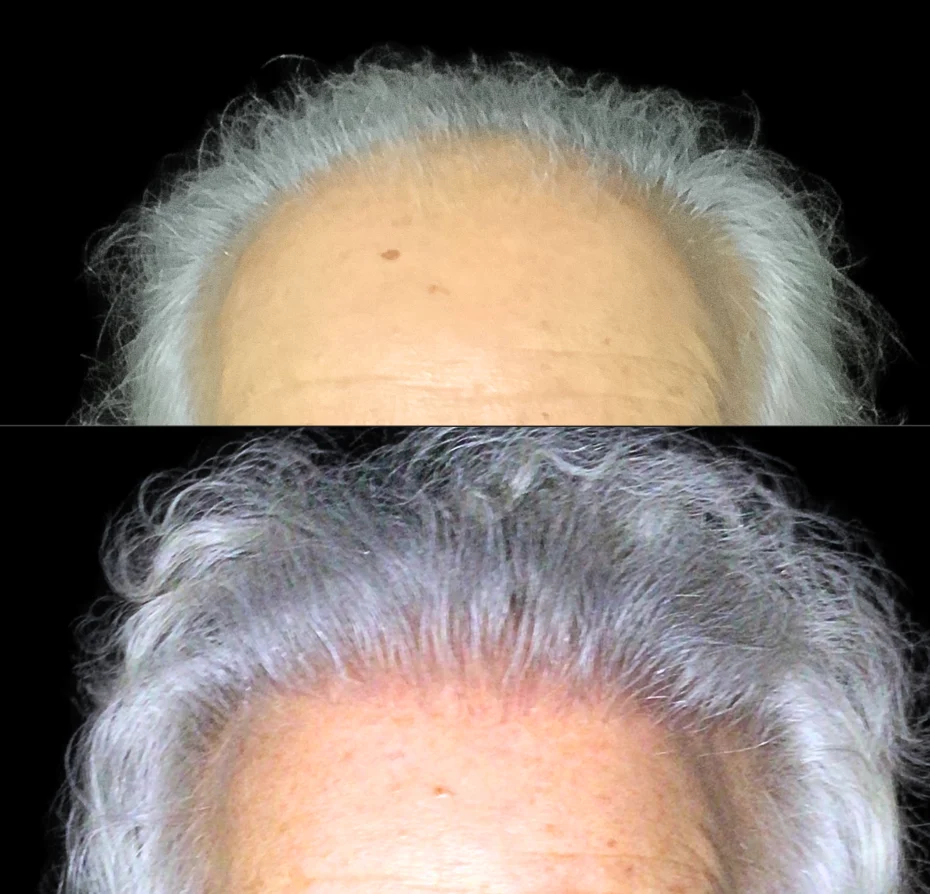
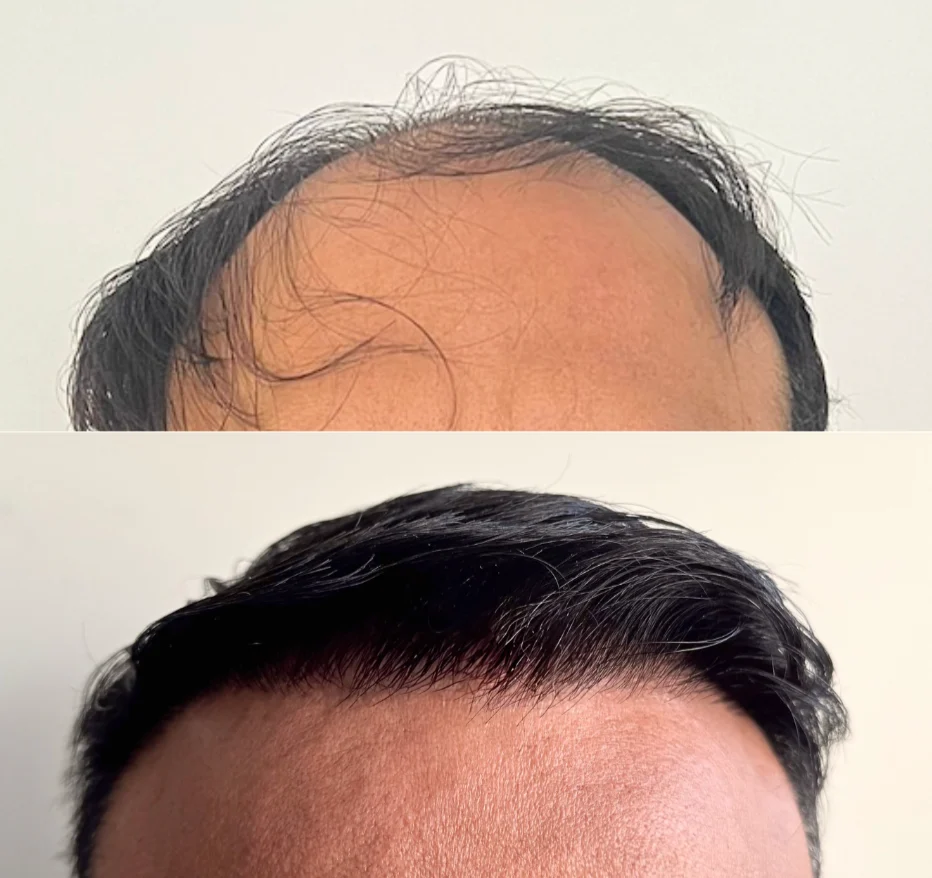
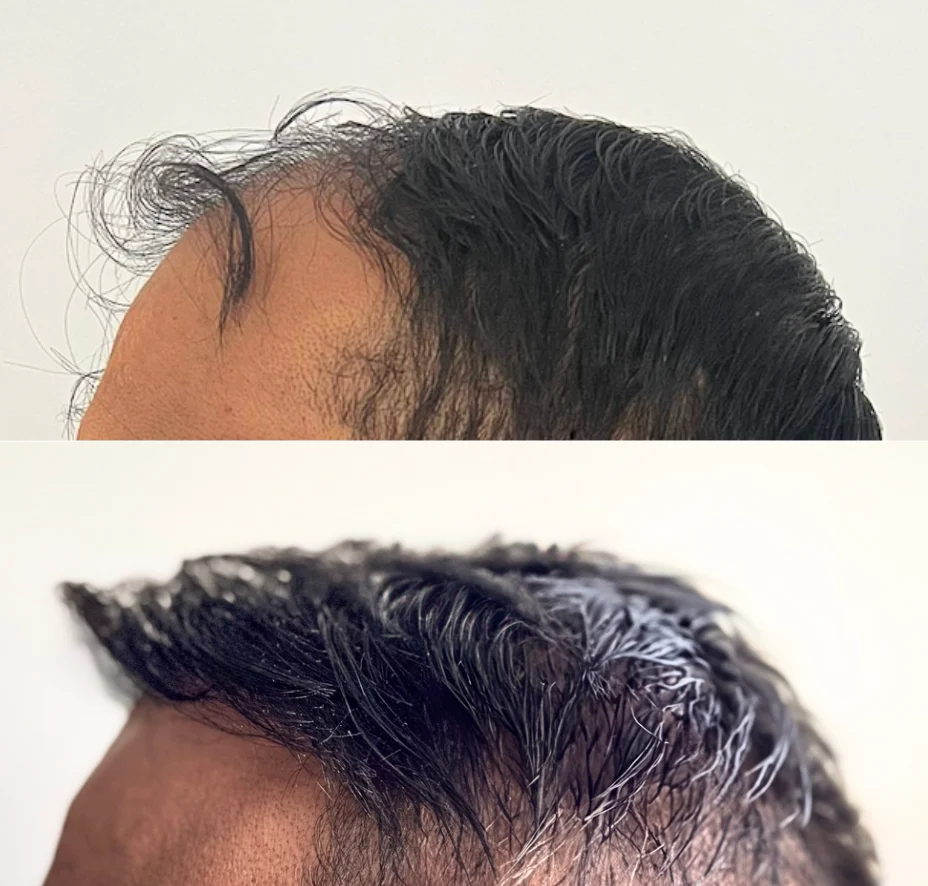
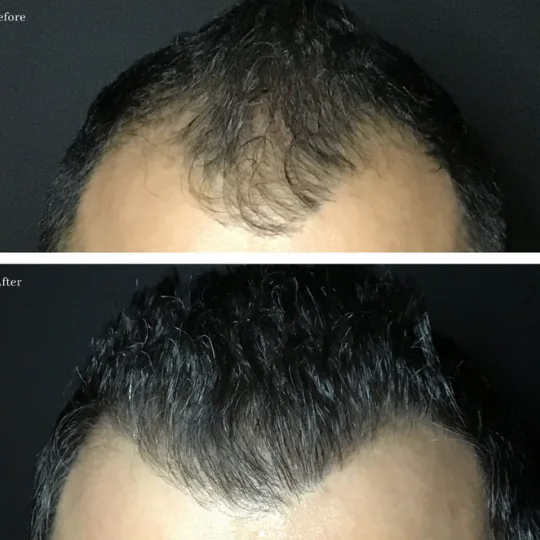
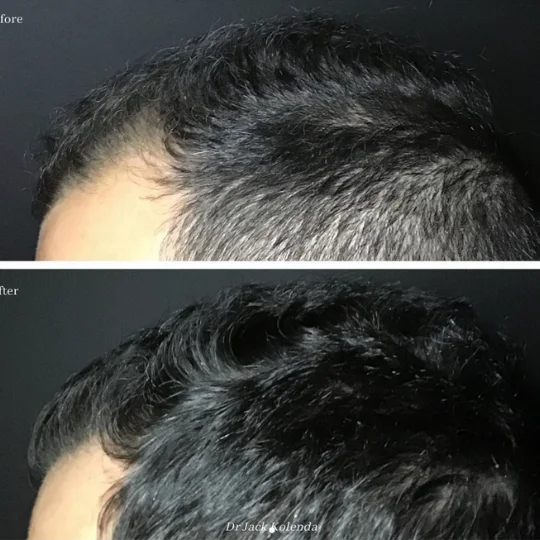
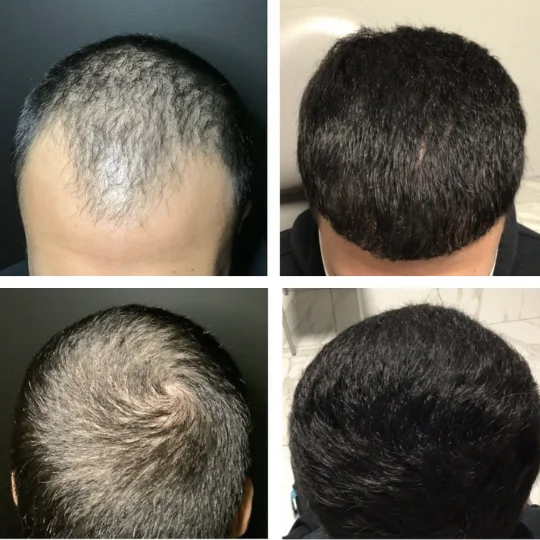
Individual results vary and are not guaranteed.
The essentials
Two techniques
FUE + FUT
Verso offers both FUE and FUT, and recommends one based on your donor hair, how you wear your hair and how many grafts you need.
Compare the techniquesResults
12–18
months to the final result. The hairline usually matures first, the crown last.
Comfort
Local anaesthetic
Most patients feel mainly the initial numbing injections.
Consultations
Virtual pre-consultation
Share photos with our patient care team for a preliminary plan and estimate before you book any travel.
Aftercare
PRP and regular follow-ups
Optional PRP packages and check-ins with the same team as your hair grows.
Every hairline starts with your face
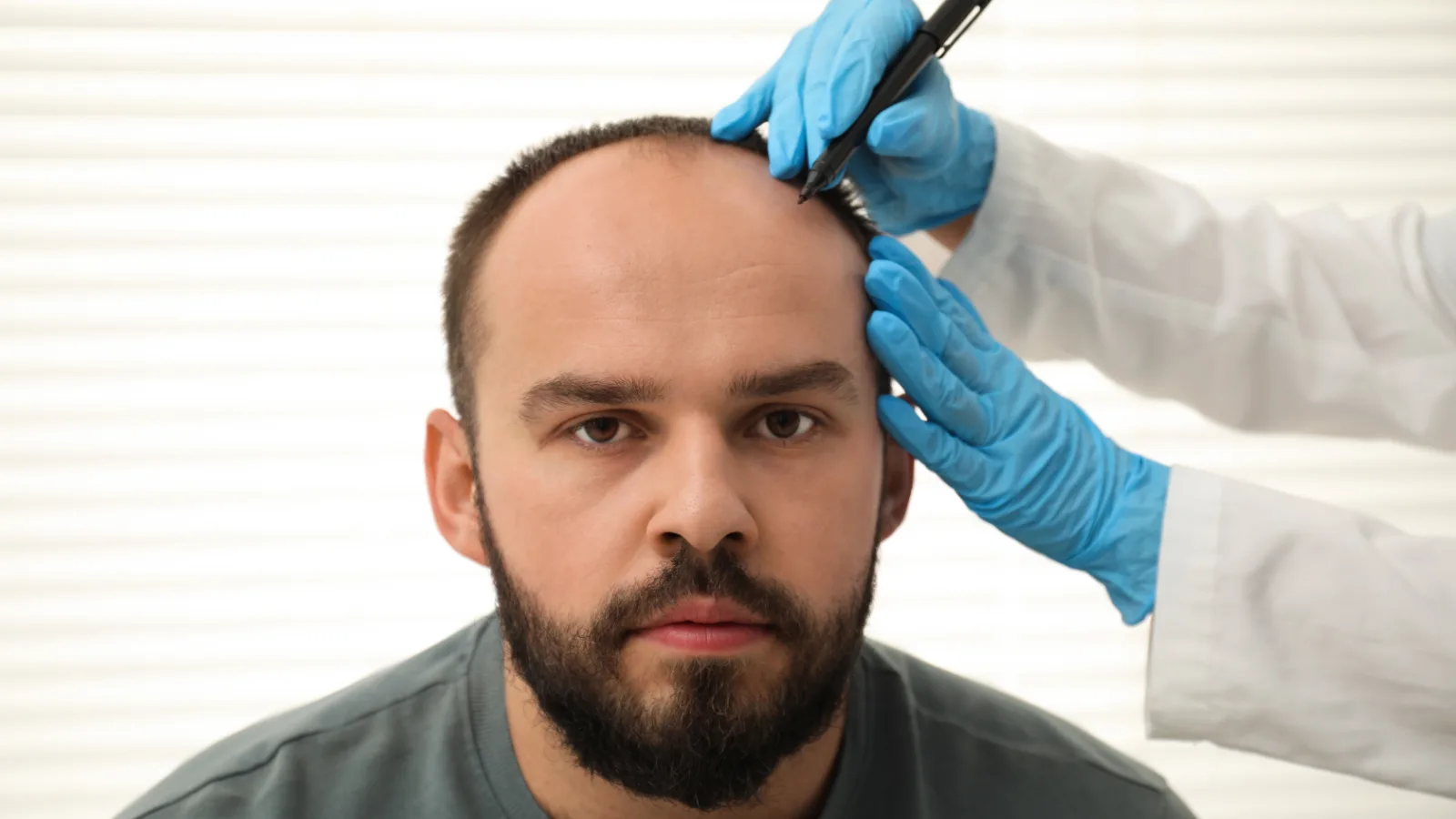
Your new hairline is designed around your features, your age and your donor hair, then drawn on and approved by you before anything begins. Each graft is placed by hand at the angle your hair naturally grows, so it grows like your own.
What makes a hairline look naturalFUE or FUT
Two ways to collect your grafts. Dr. Kolenda’s team performs both, and will recommend one at your consultation.
Follicular unit extraction
FUE
Follicles are removed one at a time from the back and sides of the scalp, then placed individually into the thinning area.
- Donor area. Tiny dot-like marks
- Scar. No linear scar
- Recovery. Donor area typically settles quickly
Follicular unit transplantation
FUT
A thin strip of scalp is removed from the back of the head and divided under magnification into individual grafts. The donor area is closed.
- Donor area. A fine line
- Scar. Hidden within hair
- Grafts. Many grafts can be collected in one session
Hair transplant at a glance
- Procedure time
- Usually 6 to 8 hours, in one day
- Typical grafts
- Roughly 1,500 to 5,000, with large sessions of 6,500+
- Anaesthetic
- Local, so you stay awake and comfortable
- Techniques
- FUE and FUT
- Scabs clear
- In about 7 to 10 days
- Back to desk work
- Often within about a week
- New growth
- From about 3 to 5 months
- Final result
- 12 to 18 months
Typical ranges. Your graft count, timing and plan are confirmed at your consultation.
Who it’s for
Men and women with thinning or receding areas and enough healthy donor hair. Some types of hair loss need medical assessment first, and we’ll tell you honestly if a transplant isn’t right for you.
- A receding hairline or temples
- Thinning at the crown
- Overall thinning on top
- A high or uneven hairline
- Thinning at the part or temples in women, assessed at consultation (hair transplants for women)
- Gaps from scars, injury or previous surgery
- Afro-textured, curly and coily hair (how we plan it)
- Thin or missing brows, with an eyebrow transplant
What makes a hairline look natural
The difference between a result people notice and one they don’t comes down to design.
Placement
Right for your age
A hairline designed to suit your face now, and still look right in twenty years.
Shape
Soft, not straight
Natural hairlines are slightly irregular. Ours are too.
Grafts
Single hairs at the front
The finest grafts go at the very edge, with fuller grafts behind.
Direction
Every angle matters
Each graft follows the direction and angle of your own hair, so it falls and parts naturally.
Planning
Built for the long term
Your plan considers how your hair may change, and how to use your donor supply wisely over a lifetime.
How it works
Design
We assess your hair loss and donor area. Your new hairline is drawn on and approved by you first.
Harvesting
Under local anaesthetic, grafts are collected using FUE or FUT.
Placement
Each graft is placed by hand at the angle and direction of your natural hair.
Aftercare
You go home with written aftercare. Follow-ups continue in clinic, with check-ins from our team in between.
Good hair takes time
The hair you leave with isn’t your final result. Here’s a typical timeline.
- Days 1 to 10
Healing
Tiny scabs form around each graft and fall away. Mild redness settles.
- Weeks 2 to 8
Shedding
Many transplanted hairs shed. This is normal; the follicles stay below the skin.
- Months 3 to 5
New growth
Fine new hairs begin to appear, often uneven at first.
- Months 6 to 9
Filling in
Hairs thicken and lengthen. Most people notice a clear change.
- Months 12 to 18
Final result
The hairline matures. The crown can take a little longer.
Everyone heals and grows differently. Your team will check in at each stage.

Protecting your results
A transplant restores what’s been lost. Looking after the hair you still have keeps the result looking full.
- PRP
PRP packages with your transplant
Platelet-rich plasma from your own blood, offered in packages alongside your hair transplant to support the hair around it. About PRP
- DNA testing
Medication, personalized
A simple, non-invasive DNA test looks at genetic variations linked to hair loss and how you may respond to common treatments. It helps your team choose the medication plan that suits you. About DNA testing
- Check-ins
Regular check-ins
In clinic, with check-ins from the same team through the full growth period.
Transplant, PRP or medication?
They do different jobs, and they work well together. Verso offers PRP packages with your hair transplant, and DNA testing to help personalize your medication plan.
| Hair transplant | PRP | Medication | |
|---|---|---|---|
| What it does | Moves your own follicles to thinning areas | Aims to support existing hair | Aims to slow loss or support regrowth |
| How long it lasts | Long-lasting; transplanted hair typically keeps growing | Repeat sessions | Ongoing use |
| When you see the result | About 12 to 18 months | Over several months | Over several months |
| Best for | Receding or thinning areas with good donor hair | Supporting thinning hair, often alongside a transplant | Early or ongoing hair loss |
| At Verso | FUE and FUT with Dr. Kolenda’s team | PRP packages offered with your transplant | Personalized with optional DNA testing |
Pricing and travel
A clear quote before you book anything. Help with the trip if you want it.
Pricing
Competitive pricing
Because every hair plan is different, we don’t list prices online (what affects the cost). You’ll get a preliminary estimate from a virtual pre-consultation before you book any travel, then a personalized quote at your consultation. Financing is available through our partners.
About financingTravel
Optional travel packages
Coming from out of town? Travel packages are available at an additional cost if you’d like them. Our team can help arrange your accommodation, local transportation and the other details of your visit.
Ask about travel packagesGoing abroad, or closer to home
Many people research hair transplants in Turkey, Mexico, Colombia and elsewhere. Patients also come to Verso from across Canada, including Vancouver, Calgary, Montreal, Ottawa and Halifax, from US cities such as New York, Boston, Chicago and Detroit, and from abroad.
Virtual pre-consultation
Share photos with our patient care team for a preliminary plan and estimate. Your consultation with Dr. Kolenda is in person in Toronto.
Plan your visit
Book yourself, or add an optional travel package at an additional cost.
Procedure
An outpatient procedure under local anaesthetic.
Check-ins from home
Our patient care team stays in touch by video as your hair grows.
Questions to ask any clinic, at home or abroad
- Who designs my hairline?
- Who performs each step of the procedure?
- How many grafts are planned, and why?
- FUE or FUT, and what does the donor area look like after?
- What’s included in the price?
- Who do I see if I have a concern once I’m home?
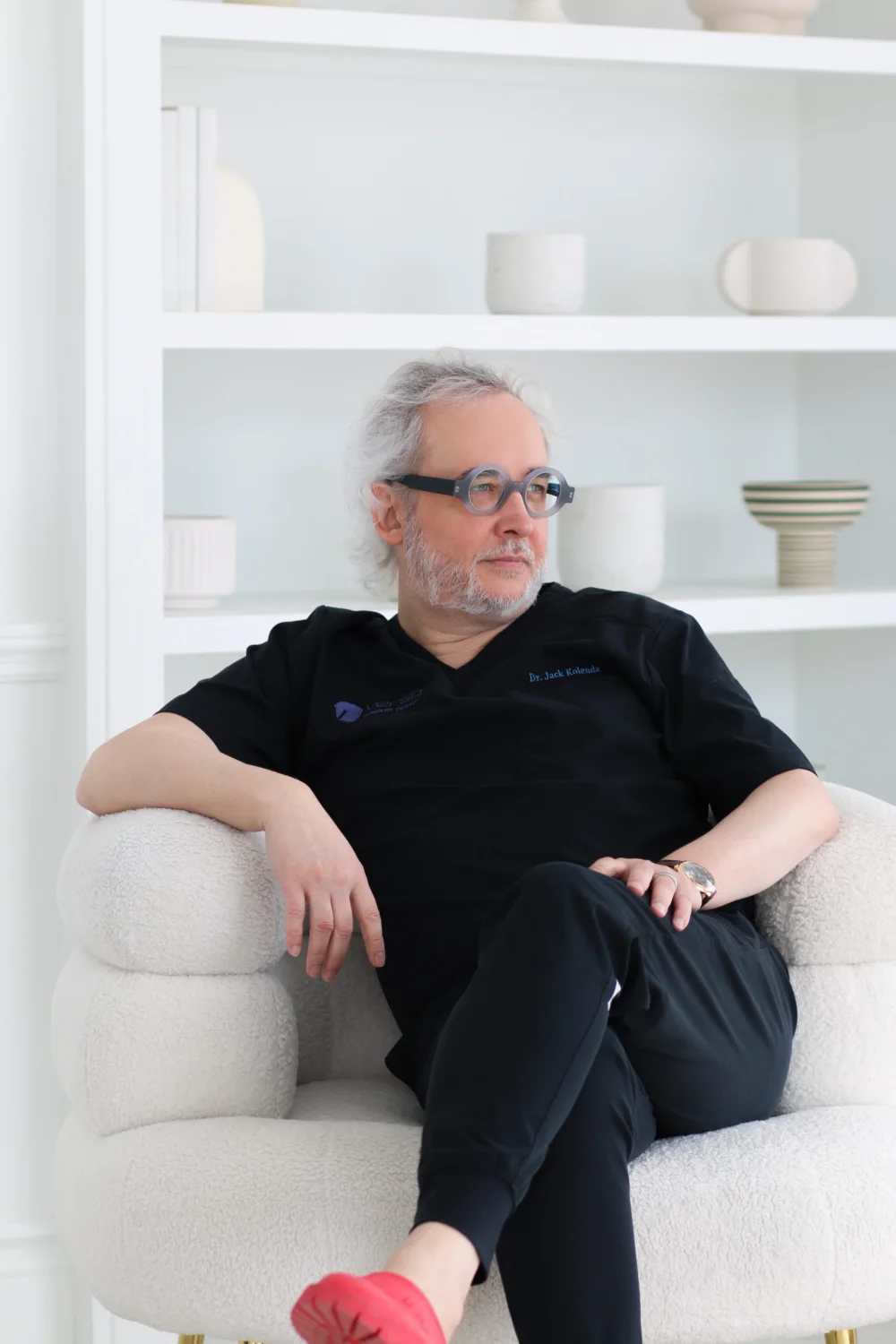
Dr. Jack Kolenda
Dr. Kolenda leads Verso’s hair restoration program, offering both FUE and FUT. An otolaryngologist and head and neck surgeon with more than 20 years of experience.
- Otolaryngologist, head and neck surgeon
- Academic appointment, University of Toronto
- Licensed by the College of Physicians and Surgeons of Ontario
Questions, answered
Still wondering about something? Ask at your consultation, or call (905) 849-7560.
How much does a hair transplant cost in Toronto?
The cost depends on how many grafts you need, the technique (FUE or FUT) and the area being treated, so we don’t list prices online. Verso offers competitive pricing, and you’ll receive a personalized quote at your consultation, before you commit to anything. Financing is available through our partners.
What is the difference between FUE and FUT?
Both move your own follicles to thinning areas; they differ in how the grafts are collected. FUE (follicular unit extraction) removes follicles one at a time, leaving tiny dot-like marks hidden within the hair. FUT (follicular unit transplantation) removes a thin strip of scalp that is divided into grafts under magnification, leaving a fine line that is also hidden within the hair. Dr. Kolenda’s team offers both and recommends one at your consultation.
Is a hair transplant permanent?
Transplanted hair is taken from the back and sides of the scalp, where hair is genetically resistant to thinning, so it typically keeps growing for the long term. Your existing, non-transplanted hair can continue to thin over time, which is why planning for the future, and sometimes medical or PRP treatment, is part of your plan. Individual results vary.
How long until I see results?
Most transplanted hairs shed within the first two months. New growth usually starts around months three to five, with a clear change by about six to nine months. The final result typically takes 12 months, and up to 18 months for the crown.
Does a hair transplant hurt?
The procedure is done under local anaesthetic, so most patients mainly feel the initial numbing injections. Tenderness afterwards is usually mild and managed with medication your team recommends.
How long does a hair transplant take?
Most hair transplants are done in one day and usually take about 6 to 8 hours, depending on the number of grafts and the technique. You can take breaks, and you go home the same evening with written aftercare.
How long is the recovery?
Small scabs form around the grafts and usually fall away within about 7 to 10 days. Many patients return to desk work within about a week, and you’ll receive written aftercare with guidance on washing, sleeping, exercise and sun. Recovery is a little longer after FUT because the donor area needs to heal.
Will people be able to tell I had a hair transplant?
A natural result depends on planning: an age-appropriate hairline, an irregular rather than straight front edge, single-hair grafts at the very front, and every graft placed at the angle your hair grows. In the first one to two weeks, redness and scabs can be visible; many patients plan time off or wear a loose hat.
Am I a good candidate for a hair transplant?
Good candidates have thinning or receding areas and enough healthy donor hair at the back and sides of the scalp. Your age, the pattern and stability of your hair loss, and your expectations all matter. Some types of hair loss need medical assessment or treatment first. We’ll tell you honestly at your consultation if a transplant isn’t the right option.
Can women have a hair transplant?
Yes, some women are good candidates, for example with a high or uneven hairline, thinning at the part or temples, or loss from scars or traction. Women’s hair loss can have medical causes that should be assessed first, which we’ll discuss at your consultation.
Can a hair transplant fix a receding hairline?
Yes. Restoring the hairline and temples is one of the most common reasons people have a hair transplant. The new hairline is designed for your face and age, and drawn on and approved by you before anything begins.
How many grafts will I need?
It depends on the size of the area, the density you want and your donor supply. Many sessions use roughly 1,500 to 5,000 grafts. For suitable candidates with strong donor hair, Verso also performs large sessions of 6,500+ grafts. Your team will estimate your graft count at the consultation, and it will be reflected in your quote.
Is there a scar?
Both techniques leave marks in the donor area that are hidden within the hair. FUE leaves tiny dot-like marks spread across the donor area. FUT leaves a fine line at the back of the scalp. Healing varies from person to person, and we’ll show you what to expect at your consultation.
What is PRP and do I need it?
PRP (platelet-rich plasma) uses a concentrate of your own blood platelets, injected into the scalp. Many patients use it to support their existing hair alongside a transplant. Verso offers PRP packages with hair transplants, and your team will tell you whether it’s right for you.
Will I need medication after a hair transplant?
A transplant doesn’t stop ongoing hair loss in the surrounding hair. Depending on your situation, medical treatments such as minoxidil or finasteride may be discussed to help protect your existing hair. They are optional and are discussed with you, including possible side effects. Verso also offers DNA testing to help personalize your medication plan.
Do you offer DNA testing for hair loss?
Yes. Verso offers a simple, non-invasive genetic test that looks at variations in genes linked to hair loss and to how people respond to common hair loss treatments. The results help your team personalize your medication plan. Testing is optional, and results are one part of your overall assessment.
Can I come from outside Toronto or from the US?
Yes. Many patients start with a virtual pre-consultation from home, receive a preliminary plan and estimate, then travel to Toronto for the procedure. Our patient care team stays in touch by video afterwards. Optional travel packages are available at an additional cost.
Should I go abroad for a hair transplant?
Many people research going abroad, to destinations such as Turkey, Mexico or Colombia. Wherever you go, ask who designs your hairline, who performs each step, how many grafts are planned, and how follow-up works once you’re home. Having your procedure in Toronto means you can see the same team in person throughout your 12 to 18 month result.
Do you offer financing?
Yes. Verso works with financing partners to offer flexible payment plans. Ask at your consultation or visit our financing page.
Explore hair restoration
Procedures
Start with a virtual pre-consultation
Start with a virtual pre-consultation with our patient care team from wherever you are, then meet Dr. Kolenda in Toronto. Leave with a personalized hair plan and a clear quote.