
Home › Hair transplant › FUE
Verso Surgery Centre
FUE hair transplant in Toronto
Follicular unit extraction, performed by Dr. Jack Kolenda’s hair restoration team. Natural, long-lasting results with no linear scar.
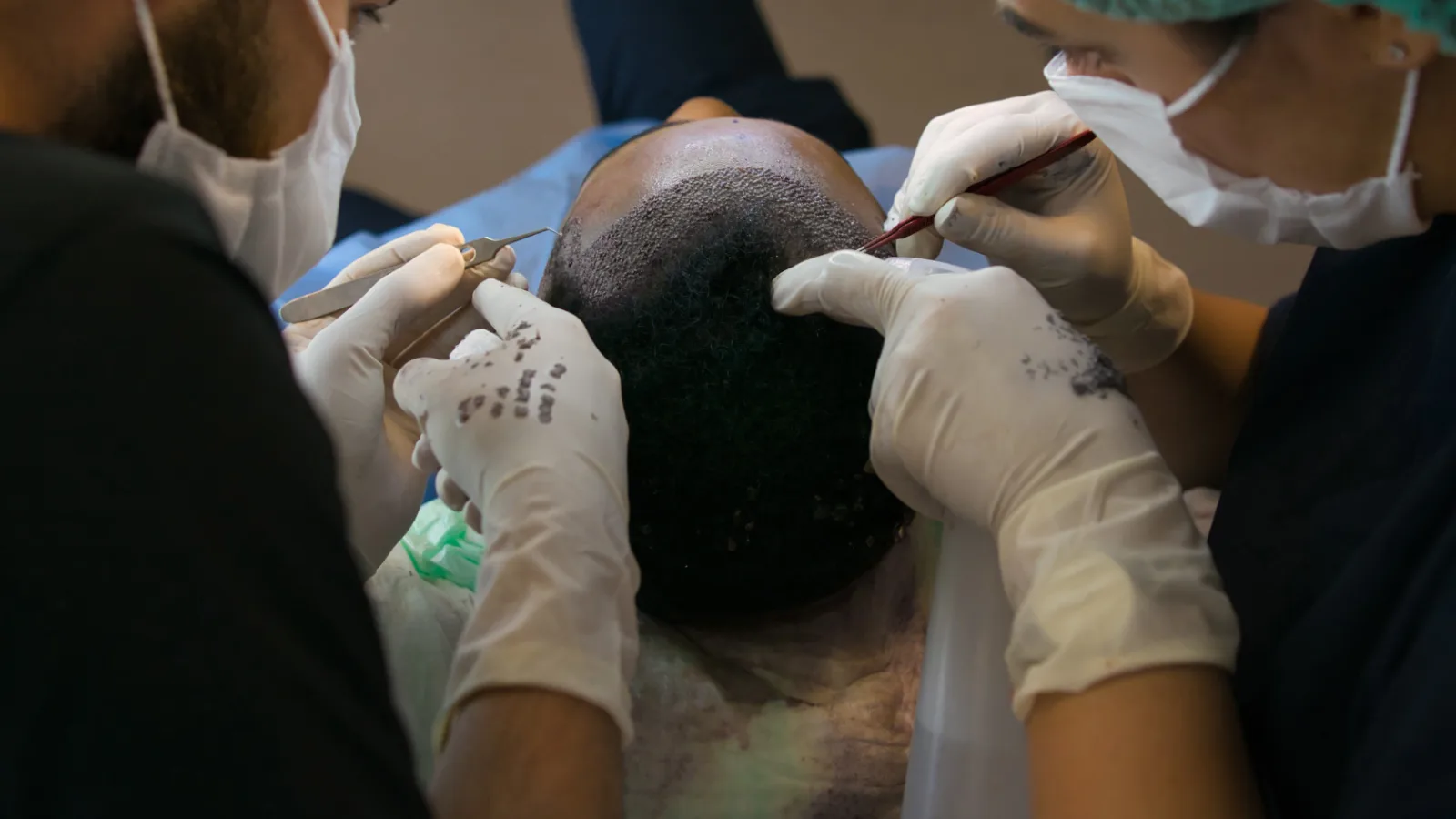
FUE (follicular unit extraction) is a hair transplant technique that removes hair follicles one at a time from the back and sides of the scalp and places them into thinning or receding areas. Because there is no strip, the donor area heals as tiny dot-like marks hidden within the hair, which makes FUE a popular choice for people who like to wear their hair short.
Performed in Toronto by Dr. Jack Kolenda and his hair restoration team.
Before and after
Real Verso patients, photographed before their procedure and after their hair grew in. Shown with their consent. Our full gallery is available at your consultation.
View more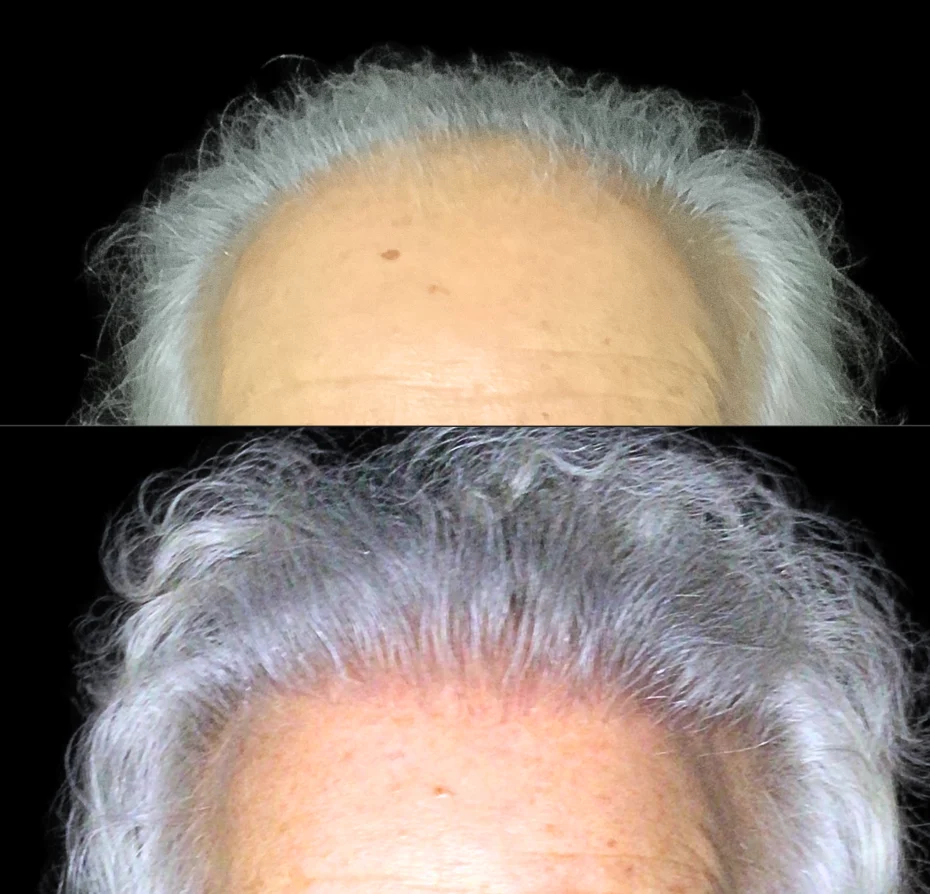
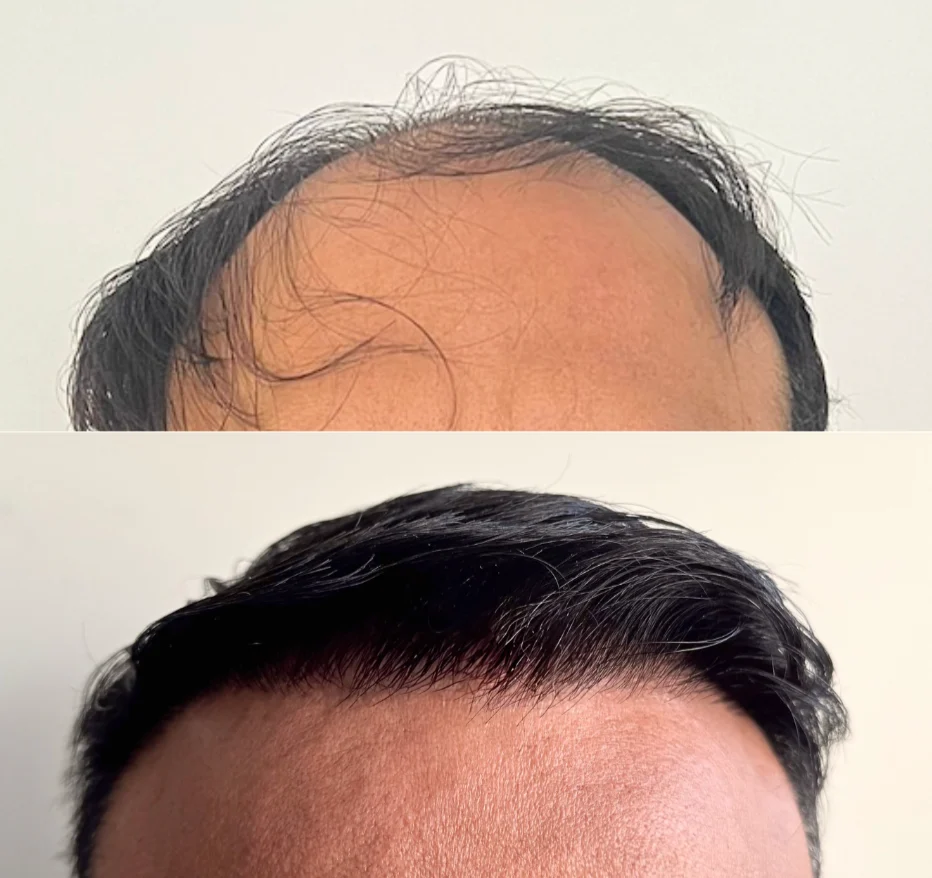
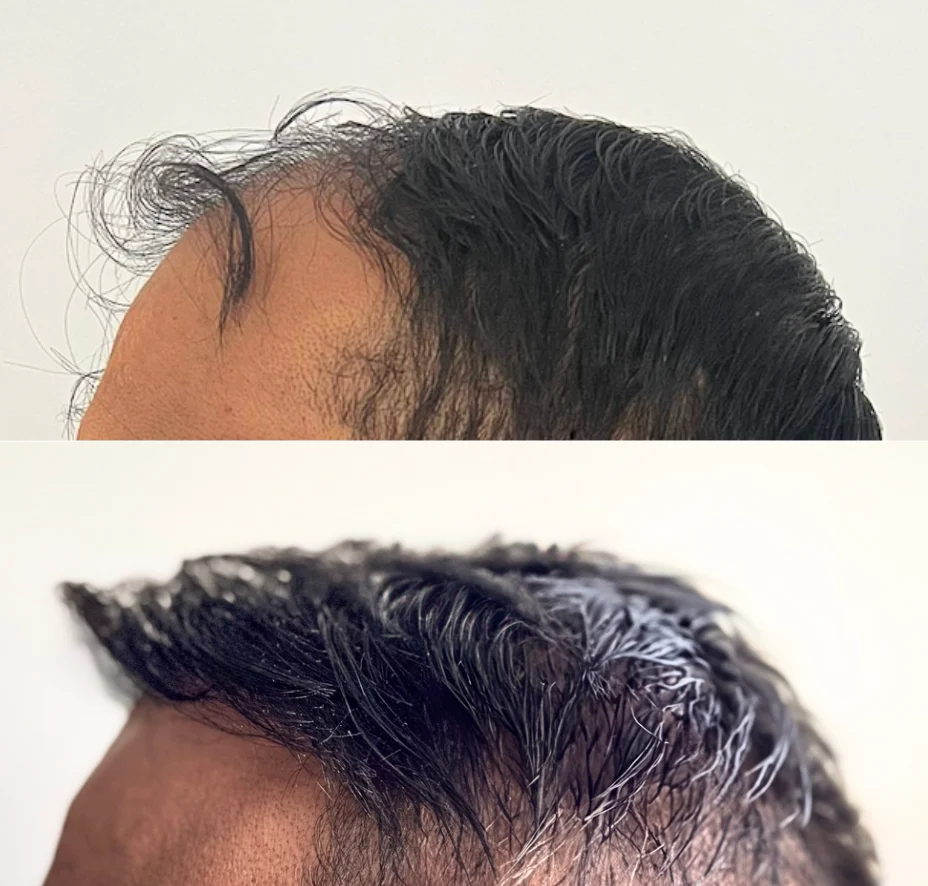
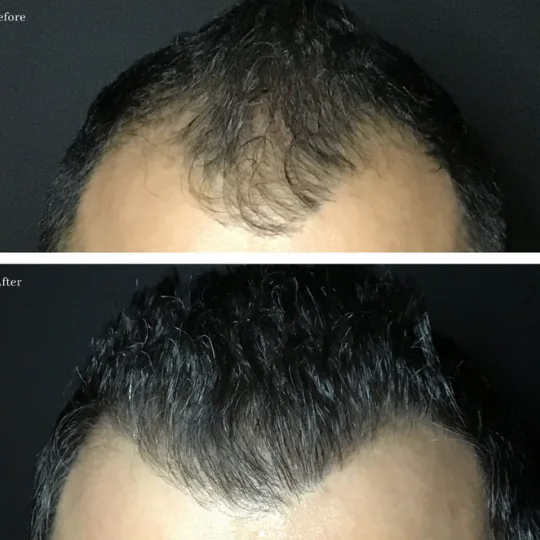
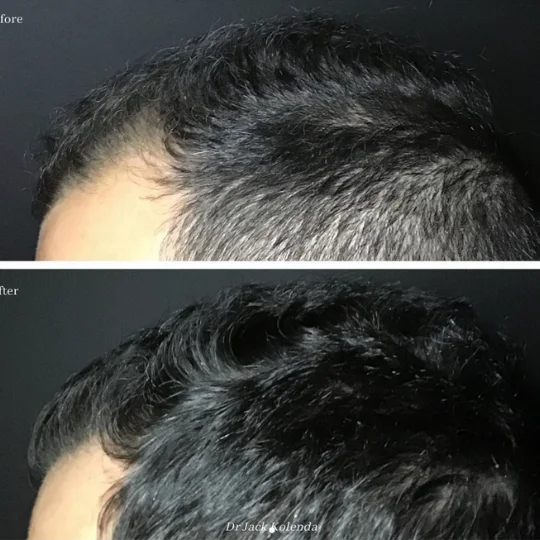
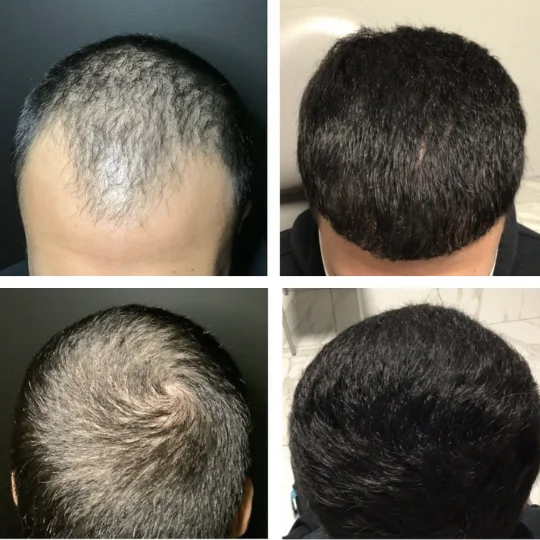
Individual results vary and are not guaranteed.
FUE at a glance
Technique
FUE
Individual follicular units are extracted with a fine punch, then placed by hand at the angle of your natural hair.
How FUE worksDonor area
Tiny dot-like marks
Spread across the back and sides and hidden within the hair.
Grafts
1,500 to 6,500+
Per session, depending on your plan and donor supply. Large sessions for suitable candidates.
Comfort
Local anaesthetic
Most patients feel mainly the initial numbing injections.
Results
12 to 18 months
New growth from about 3 to 5 months; the crown matures last.
How FUE works
Most FUE procedures take place in one day.
Design
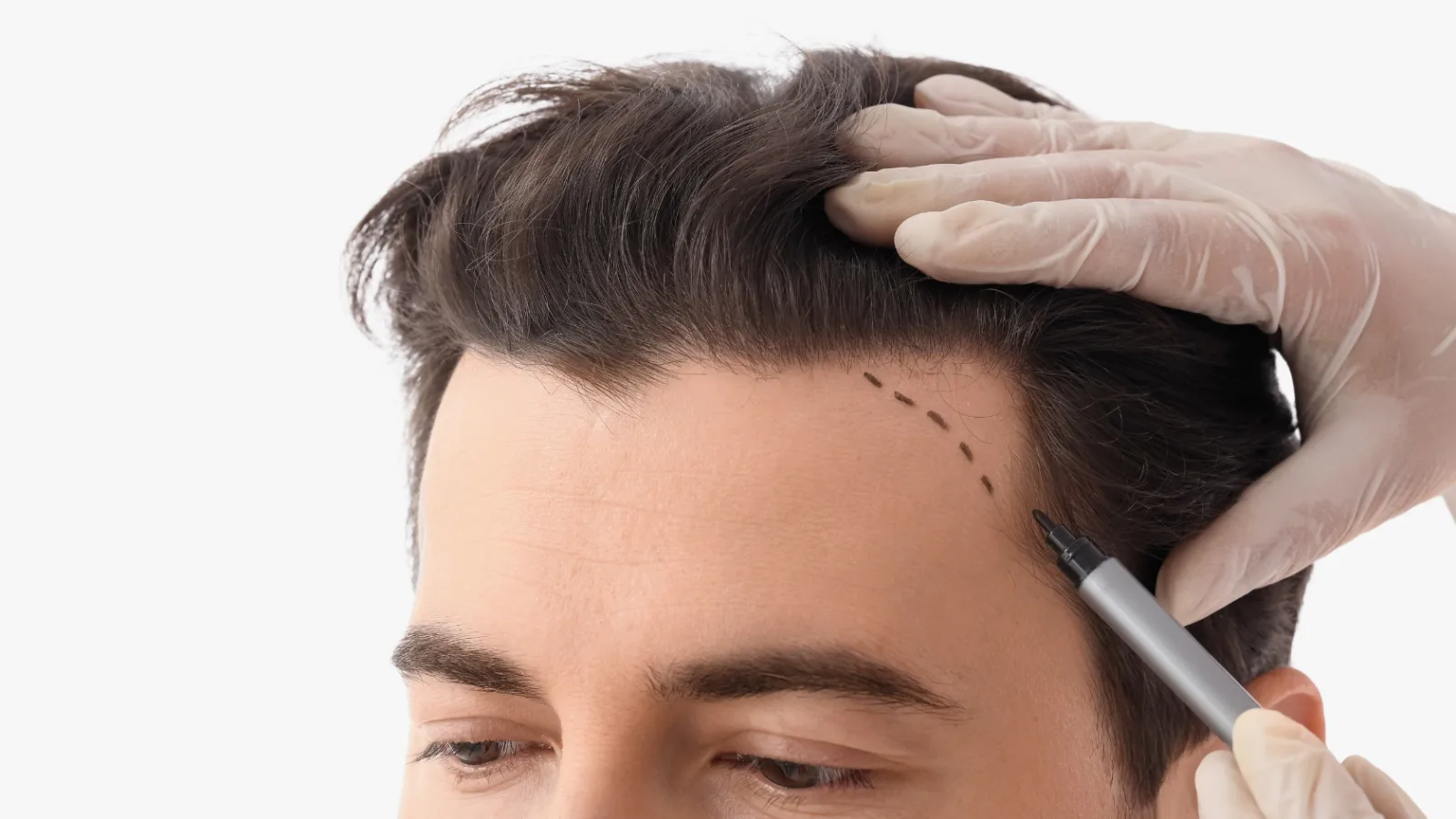
Your hairline and graft plan are designed with you, drawn on, and approved before anything begins.
Preparation
The donor area at the back and sides is trimmed and numbed with local anaesthetic.
Extraction
Follicular units are removed one at a time and kept in a cool, protective solution.
Placement
Each graft is placed by hand at the angle and direction your hair naturally grows.
Who FUE can suit
FUE is often recommended when a fine donor scar matters to you, or when the area to treat is small to moderate. Your team recommends a technique after assessing your donor hair.
- You like to wear your hair short at the back and sides
- Receding hairline or temples
- Thinning at the crown
- Smaller areas of thinning
- Scars, including from previous surgery
- Limited scalp laxity for a strip
FUE or FUT?
Both techniques move your own follicles. The difference is how grafts are collected.
| FUE | FUT | |
|---|---|---|
| How grafts are collected | One at a time from the back and sides | A thin strip from the back of the scalp, divided under magnification |
| Donor area | Tiny dot-like marks, hidden within hair | A fine line, hidden within hair |
| Short hairstyles | Usually well suited | Hair may need to be a little longer to cover the line |
| Grafts in one session | Large sessions possible over a full day | Many grafts can be collected in one session |
| Donor recovery | Typically settles quickly | A little longer, as the donor line heals |
Recovery after FUE
Here is what a typical recovery looks like. Your written aftercare is specific to you.
The first 10 days
Tiny scabs form around each graft and usually fall away within about 7 to 10 days. The donor area may look pink and short, and settles as the surrounding hair grows. Many patients return to desk work within about a week.
Weeks 2 to 8
Many transplanted hairs shed. This is normal and expected: the follicles stay below the skin and begin a new growth cycle.
Months 3 to 18
New growth usually starts around months three to five. Most people notice a clear change by six to nine months, with the final result at about 12 months, and up to 18 months for the crown.
Pricing and travel
A clear quote before you book anything. Help with the trip if you want it.
Pricing
Competitive pricing
Because every hair plan is different, we don’t list prices online. You’ll get a preliminary estimate from a virtual pre-consultation before you book any travel, then a personalized quote at your consultation. Financing is available through our partners.
About financingTravel
Optional travel packages
Coming from out of town? Travel packages are available at an additional cost if you’d like them. Our team can help arrange your accommodation, local transportation and the other details of your visit.
Ask about travel packages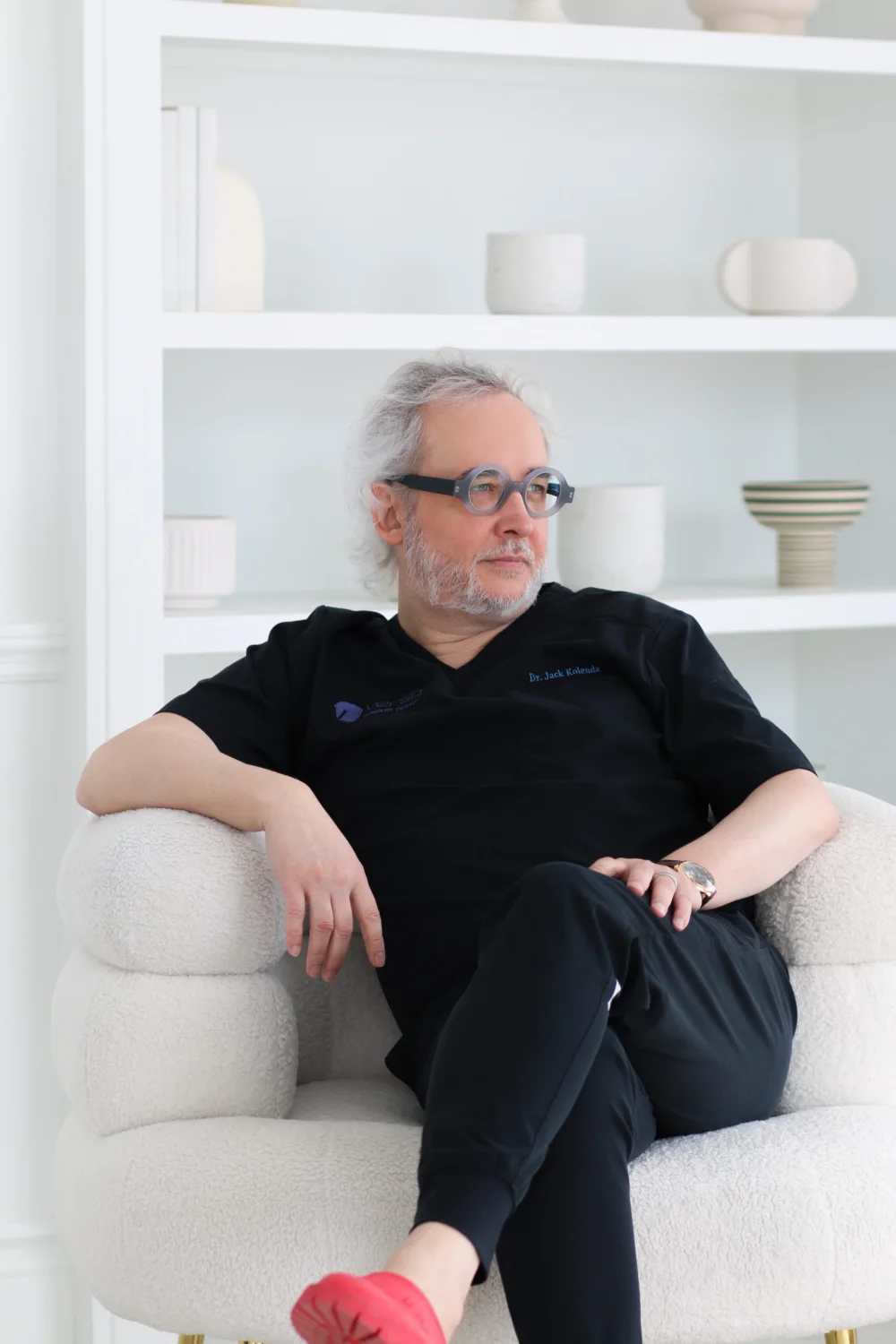
Dr. Jack Kolenda
Dr. Kolenda leads Verso’s hair restoration program, offering both FUE and FUT. An otolaryngologist and head and neck surgeon with more than 20 years of experience.
- Otolaryngologist, head and neck surgeon
- Academic appointment, University of Toronto
- Licensed by the College of Physicians and Surgeons of Ontario
Questions, answered
Still wondering about something? Ask at your consultation, or call (905) 849-7560.
Is FUE better than FUT?
Neither is better for everyone. FUE avoids a linear scar and suits short hairstyles; FUT can collect many grafts in one session and may suit larger areas. Dr. Kolenda’s team offers both and recommends one based on your donor hair, scalp and goals.
Does FUE leave a scar?
FUE leaves tiny dot-like marks spread across the donor area. They are usually hidden within the hair. Very close shaves can make them more visible, which is worth discussing at your consultation.
How many grafts can be done with FUE?
Many FUE sessions use roughly 1,500 to 5,000 grafts, depending on the area, the density you want and your donor supply. Large sessions of 6,500+ grafts are possible for suitable candidates with strong donor hair. Your graft estimate is part of your quote.
Do I have to shave my head for FUE?
The donor area at the back and sides is usually trimmed short so follicles can be extracted. Your team will explain what to expect for your hair length and plan.
How long does an FUE hair transplant take?
Most FUE procedures are done in one day and usually take about 6 to 8 hours, depending on the number of grafts.
How much does FUE cost in Toronto?
The cost depends mainly on the number of grafts and the areas treated, so we don’t list prices online. Verso offers competitive pricing and a personalized quote at your consultation. Financing is available.
Is FUE permanent?
Grafts come from the back and sides of the scalp, where hair is genetically resistant to thinning, so transplanted hair typically keeps growing long term. Your surrounding hair can still thin over time, which your plan takes into account. Individual results vary.
Start with a virtual pre-consultation
Start with a virtual pre-consultation with our patient care team from wherever you are, then meet Dr. Kolenda in Toronto. Leave with a personalized hair plan and a clear quote.