
Home › Hair transplant › Beard transplant
Facial hair restoration
Beard transplant in Toronto
Fill patchy areas, define your beard line or restore a moustache, using your own hair. With Dr. Jack Kolenda’s team.
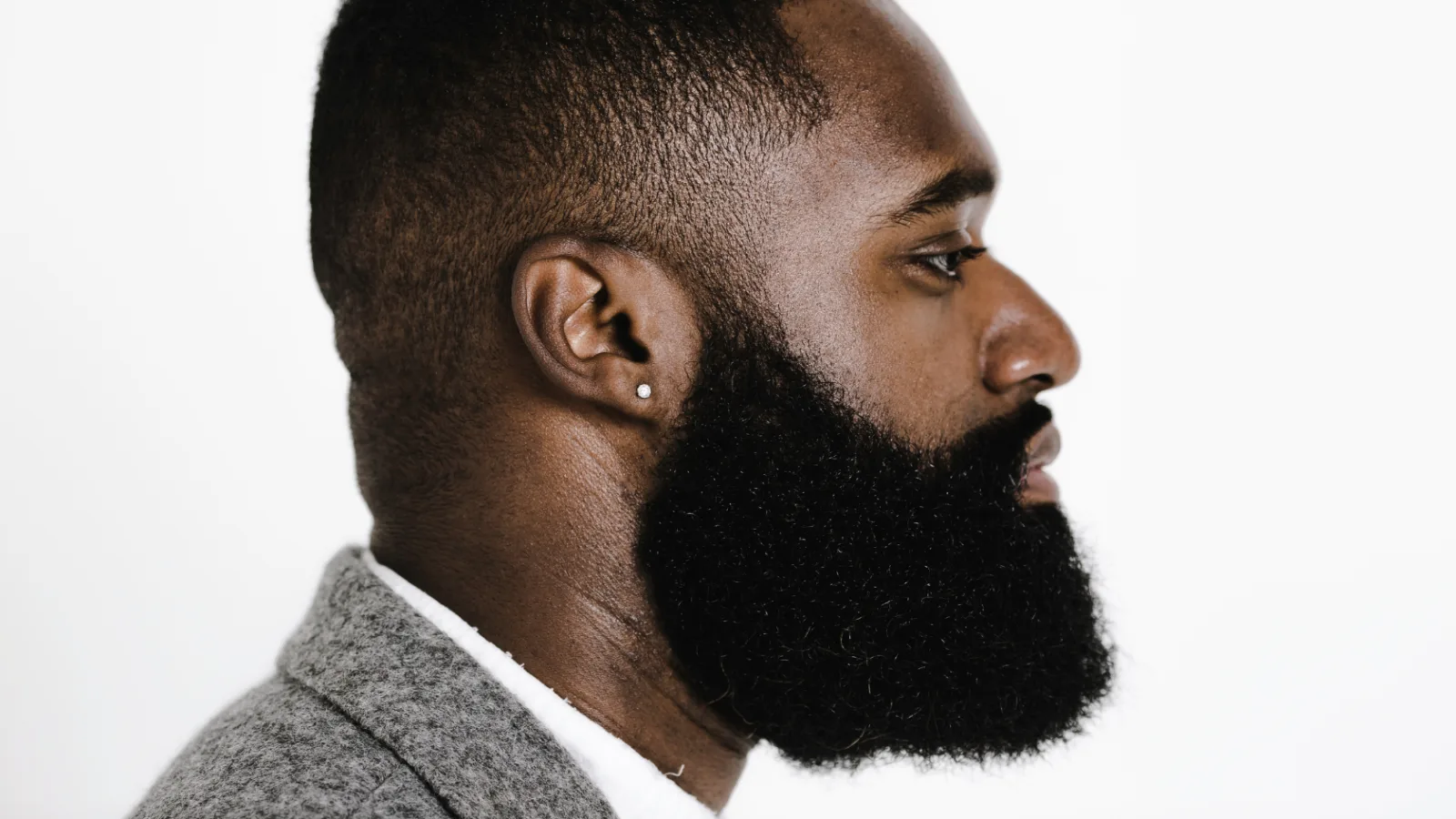
A beard transplant moves hair follicles, usually from the back of the scalp, into the beard, moustache or sideburns to fill patchy or thin areas. Each graft is placed one by one at the angle facial hair grows, so it can be trimmed, shaved and styled like the rest of your beard.
Performed in Toronto by Dr. Jack Kolenda and his hair restoration team.
Beard transplant at a glance
- Procedure time
- Usually 4 to 8 hours, in one day
- Typical grafts
- About 300 for a moustache, 2,000+ for a fuller beard
- Anaesthetic
- Local, so you stay awake and comfortable
- Technique
- FUE, usually from the back of the scalp
- Tiny crusts clear
- In about 7 to 10 days
- Back to work
- Often within about a week
- New growth
- From about 3 to 4 months
- Final result
- About 9 to 12 months
Typical ranges. Your plan, graft count and timing are confirmed at your consultation.
What a beard transplant can do
From a few patches to a full beard, every plan is designed around your face.
Most common
Patchy
Fill the gaps between your moustache, goatee and cheeks for an even, connected beard.
Shape
A defined beard line
Sharpen the cheek line and neckline.
Moustache
Moustache and goatee
Add density where growth is thin or uneven.
Sideburns
Connect the sides
Link sideburns to the beard for a fuller frame.
Scars
Cover scars
Camouflage scars from injury, acne or surgery.
Who it can suit
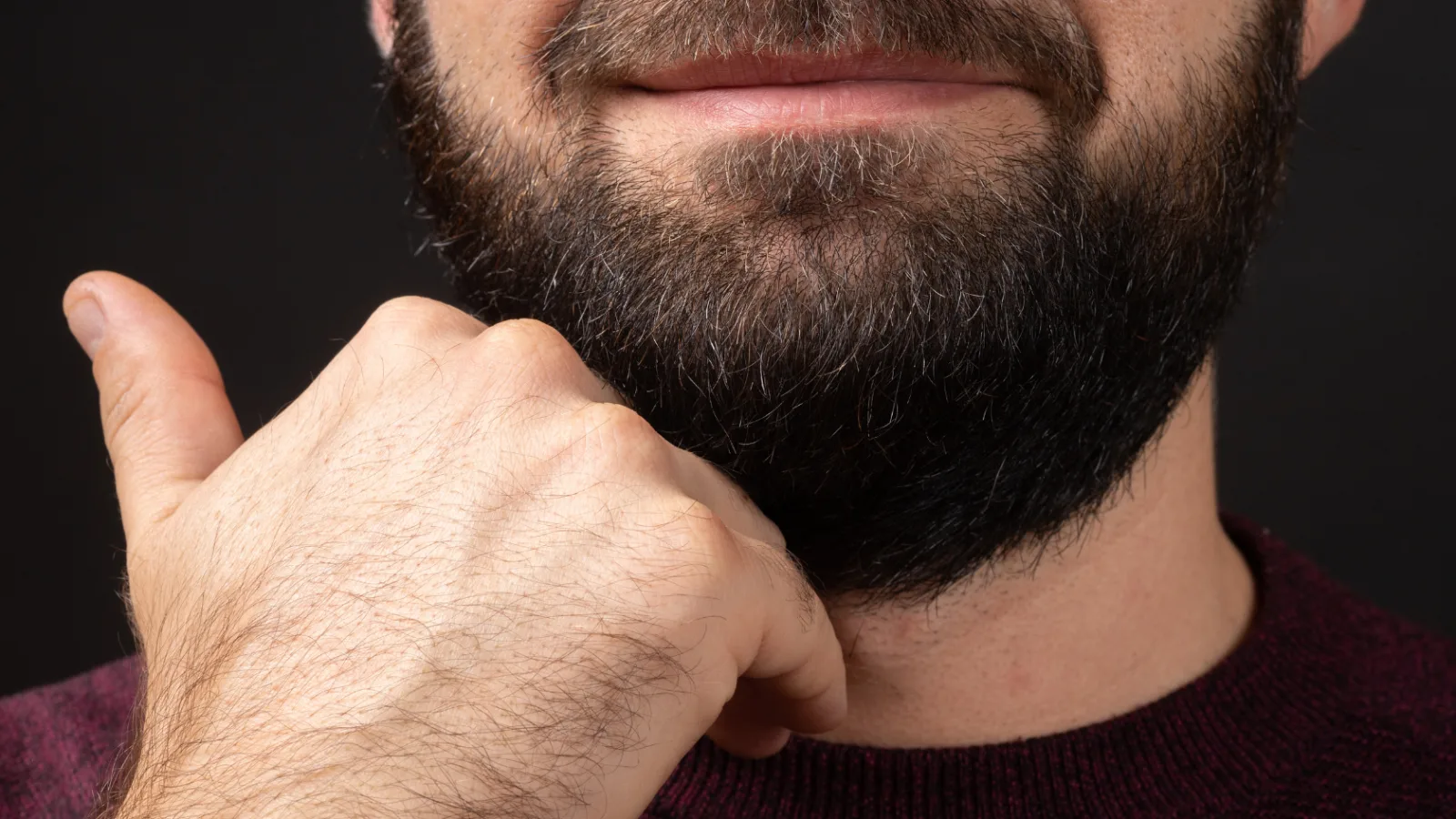
Men with patchy, thin or uneven facial hair, and enough healthy donor hair at the back of the scalp.
- Patchy or slow-growing beard
- Gaps between moustache and beard
- Thin or uneven moustache
- Missing sideburns or cheek coverage
- Scars in the beard area
- Trans men seeking facial hair, assessed at consultation
How it works
Most beard transplants take place in one day.
Design
Your beard shape and density are planned with you and drawn on before anything begins.
Harvesting
Under local anaesthetic, follicles are extracted one at a time, usually from the back of the scalp.
Placement
Each graft is placed by hand at the angle and direction your facial hair grows.
Aftercare
Written aftercare, with follow-ups in clinic and team check-ins as your beard grows in.
What makes a beard look natural
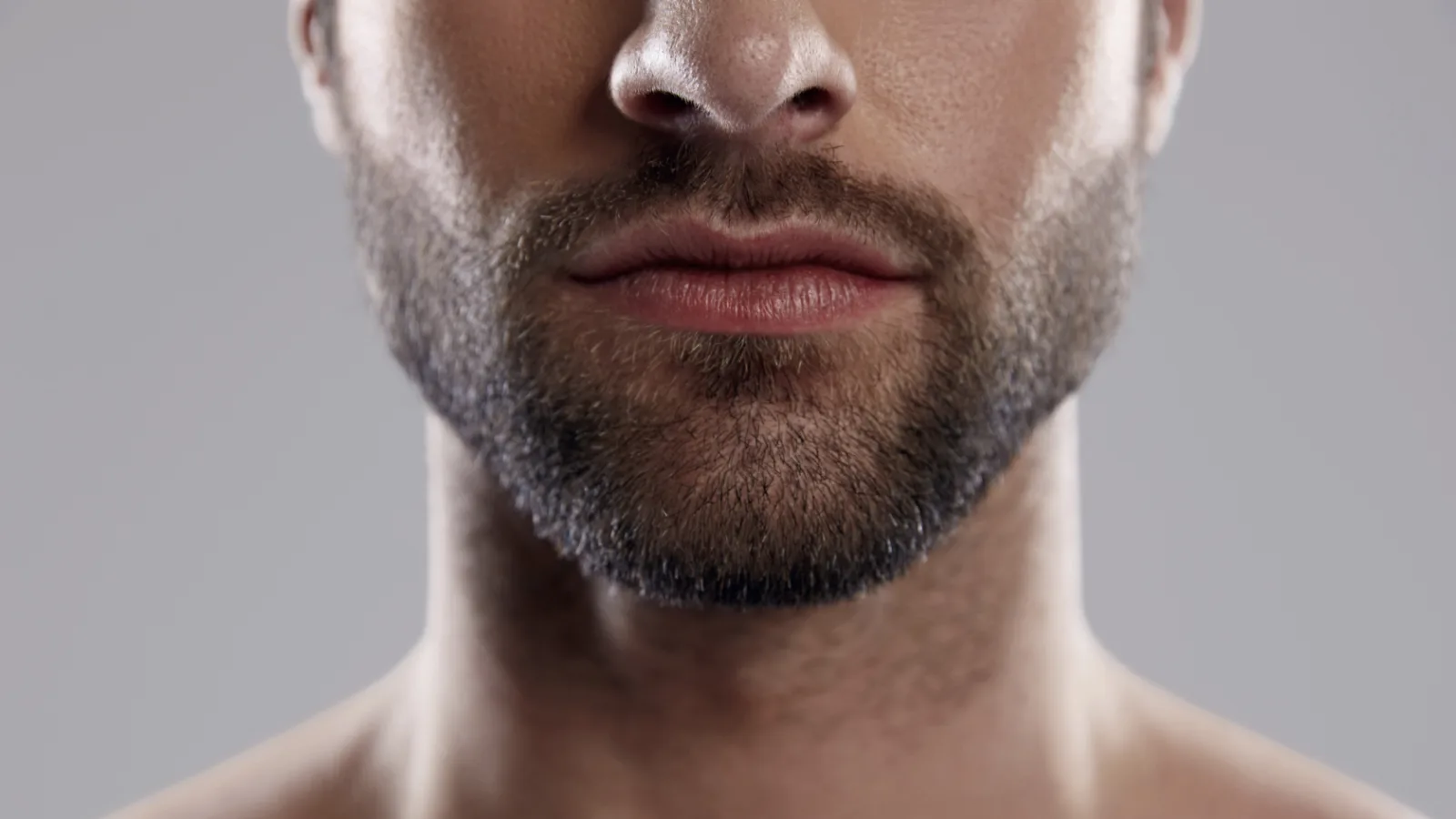
Facial hair grows at sharp angles and changes direction across the face. Matching it is what helps a transplant look natural.
- Angle
Flat and directional
Grafts follow the low angle and changing direction of beard hair.
- Grafts
Single hairs
Mostly single-hair grafts, for a soft, natural edge.
- Shape
Designed for your face
A beard line that suits your jaw and the way you like to wear it.
Pricing and travel
A clear quote before you book anything. Help with the trip if you want it.
Pricing
Competitive pricing
Because every hair plan is different, we don’t list prices online. You’ll get a preliminary estimate from a virtual pre-consultation before you book any travel, then a personalized quote at your consultation. Financing is available through our partners.
About financingTravel
Optional travel packages
Coming from out of town? Travel packages are available at an additional cost if you’d like them. Our team can help arrange your accommodation, local transportation and the other details of your visit.
Ask about travel packages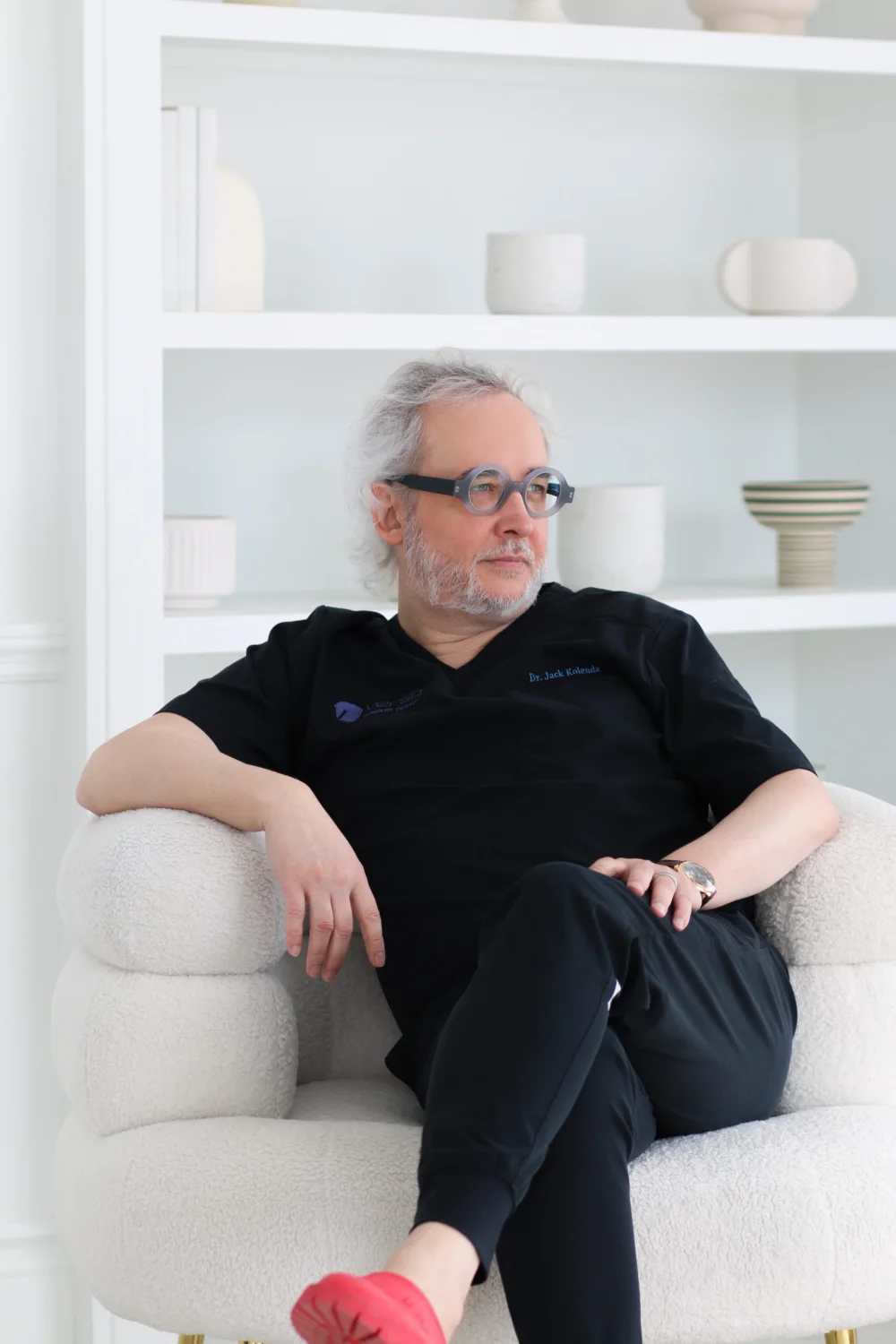
Dr. Jack Kolenda
Dr. Kolenda leads Verso’s hair restoration program, offering both FUE and FUT. An otolaryngologist and head and neck surgeon with more than 20 years of experience.
- Otolaryngologist, head and neck surgeon
- Academic appointment, University of Toronto
- Licensed by the College of Physicians and Surgeons of Ontario
Questions, answered
Still wondering about something? Ask at your consultation, or call (905) 849-7560.
Is a beard transplant permanent?
Grafts usually come from the back of the scalp, where hair is genetically resistant to thinning, so transplanted beard hair typically keeps growing long term. Individual results vary.
Will a beard transplant look natural?
A natural result depends on design: the shape of your beard line, single hairs at the edges, and every graft placed at the angle and direction facial hair grows. Your beard is designed with you before anything begins.
Where do the grafts come from?
Usually from the back of the scalp, using FUE. In some cases other donor areas may be considered. Your team will assess your donor hair at consultation.
How many grafts do I need for a beard transplant?
It depends on the areas treated. As a rough guide, a moustache may need about 300 to 800 grafts, a goatee about 600 to 1,200, and a fuller beard 2,000 or more. Your estimate is confirmed at your consultation.
When can I shave after a beard transplant?
Your team will advise, usually once the tiny crusts have cleared, often after the first week or two. After that, transplanted hair can be trimmed and shaved like the rest of your beard.
How long until I see results?
Many transplanted hairs shed in the first few weeks. New growth usually starts around three to four months, with the final result at about 9 to 12 months.
Does a beard transplant hurt?
It is done under local anaesthetic, so most patients mainly feel the initial numbing injections. Mild tenderness and swelling afterwards usually settle within days.
Is there a scar?
The face heals without visible scarring in most cases. FUE leaves tiny dot-like marks in the donor area at the back of the scalp, hidden within the hair.
How much does a beard transplant cost in Toronto?
It depends on the number of grafts and the areas treated, so we don’t list prices online. Verso offers competitive pricing and a personalized quote at your consultation. Financing is available.
Start with a virtual pre-consultation
Start with a virtual pre-consultation with our patient care team from wherever you are, then meet Dr. Kolenda in Toronto. Leave with a personalized hair plan and a clear quote.