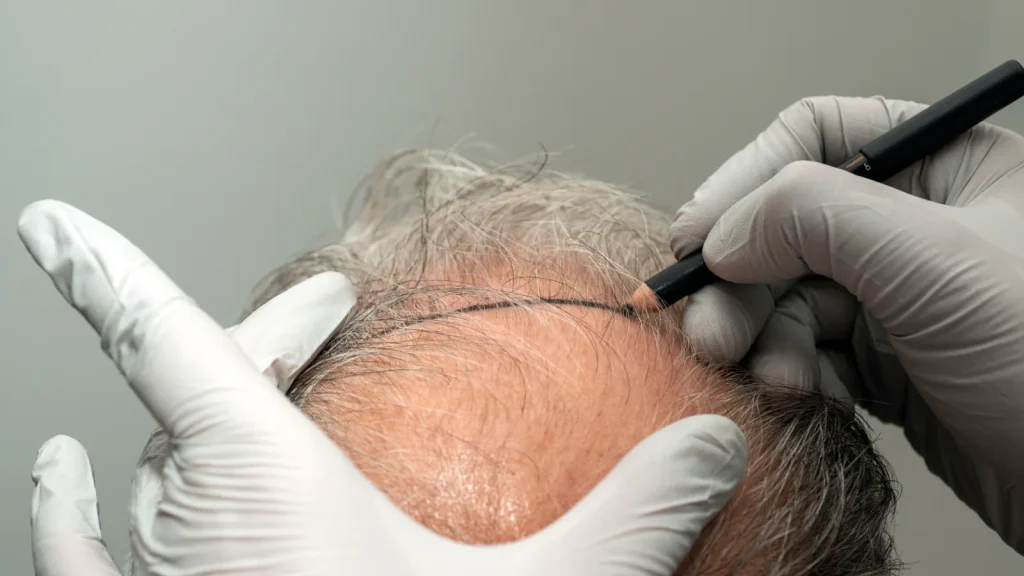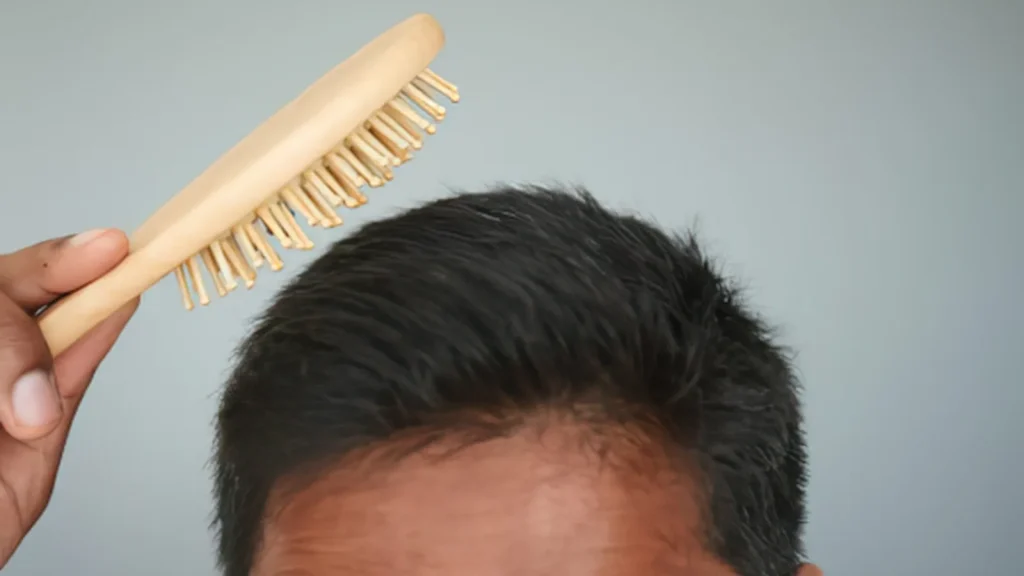
Most conversations about hair transplants focus on the hairline. Your donor area deserves just as much attention, because it is the only supply you have.
What is the donor area?
The donor area is the hair at the back and sides of the scalp. These follicles are generally resistant to pattern hair loss, which is why they are used for transplants. Each follicle removed is gone from that area for good.
What overharvesting looks like
- Visible thinning or a see-through look at the back and sides, especially with short hair
- Patchy areas where extractions were clustered
- Grafts taken from outside the area that is resistant to thinning, which may later thin themselves
Why it matters
Hair loss can continue over a lifetime. A good plan keeps some donor hair in reserve in case you want more work later. Overharvesting can limit those options and is difficult to correct.
Questions to ask about donor management
- How many grafts can my donor area safely provide over my lifetime?
- How will extractions be spread out?
- Will grafts be taken only from the safe donor zone?
- Can I see healed donor areas from previous patients, not only hairlines?
- Would FUT, FUE or a combination protect my donor supply best?
At Verso, every plan considers your long-term donor supply as well as your hairline. How many grafts do you need?
Frequently asked questions
Does donor hair grow back?
No. Each follicle that is extracted is moved permanently. That is why donor management matters.
How many grafts can my donor area give?
It depends on your donor density, scalp size and hair characteristics. Your team estimates it at your consultation.
Is FUE or FUT better for the donor area?
Each affects the donor area differently. FUE spreads small marks across the area; FUT concentrates them in a fine line. Your team will recommend the approach that suits your donor supply.
Will people see my donor area?
When extraction is spread carefully and healed, the donor area is usually hidden within the hair.
Book a consultation